Lately, many people are seeing headlines about psychedelics rewiring the brain. Behind the noise, there is something real happening in research, and it’s worth talking about with care and honesty.
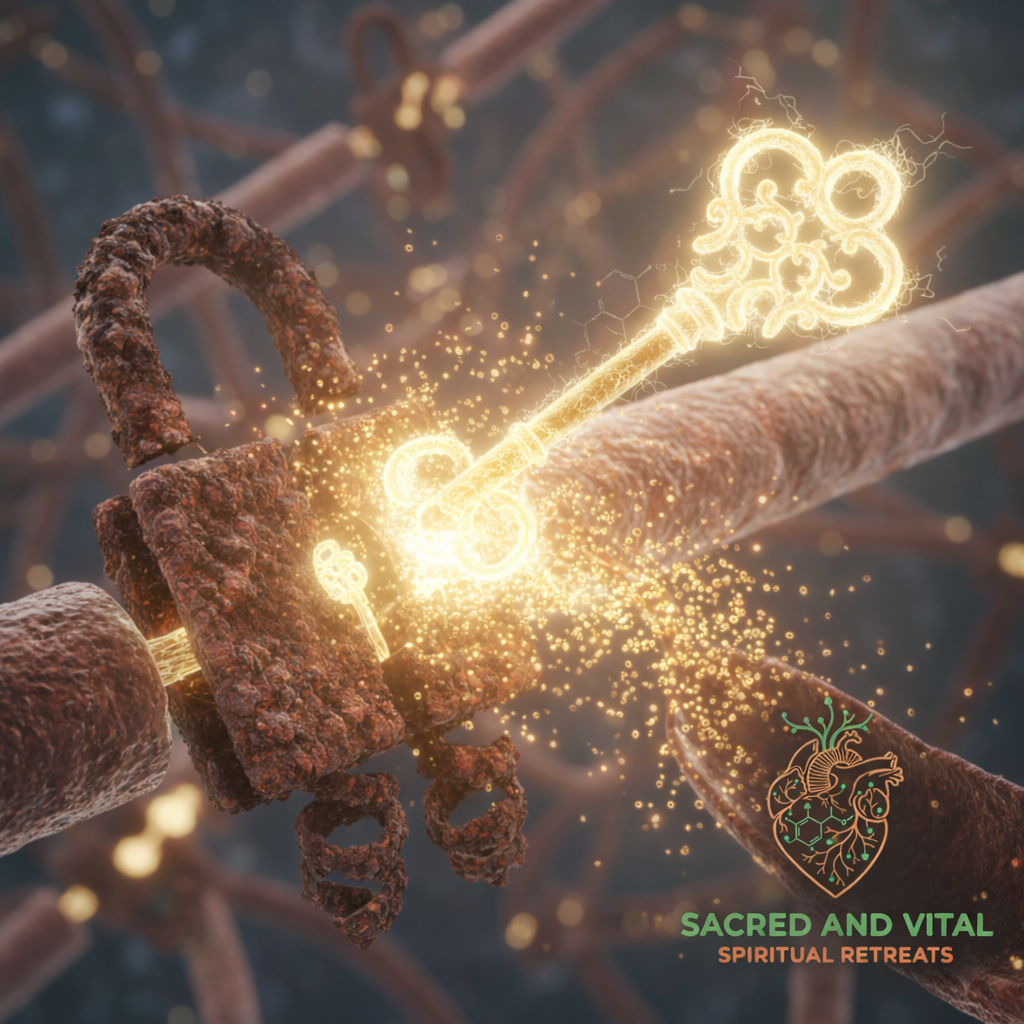
Over the last few years, scientists studying compounds like psilocybin have been focusing on one key concept: neuroplasticity, the brain’s ability to form new connections, adapt, and reorganize itself.
Here’s what current research is actually showing:
Psilocybin and brain flexibility
Multiple studies show that psilocybin supports structural neuroplasticity, especially in areas linked to memory, emotional regulation, and meaning-making. In simple terms, it appears to help the brain become more flexible, less stuck in rigid loops, something many people intuitively describe after deep inner work.
Why researchers are curious about neurodegeneration
Scientists exploring Alzheimer’s and other neurodegenerative conditions are paying attention to psychedelics not as cures, but because they interact with pathways involved in inflammation, neural growth, and synaptic repair. Johns Hopkins researchers have noted that these compounds activate serotonin receptors tied to neural adaptation, a completely different approach than conventional symptom-slowing medications.
These effects are biological, not symbolic
In lab settings, psilocybin has been shown to increase dendritic spine density, the tiny structures that allow neurons to communicate. This suggests real, measurable changes in how brain cells connect and talk to one another. These changes don’t come from escaping reality, but from engaging the brain in a very different state of organization.
How this relates to ceremonial work
This doesn’t mean ayahuasca or other medicines treat Alzheimer’s. That’s not what the science says. What it does suggest is that the brain is far more adaptable than we once believed, and that certain states of consciousness can open windows where emotional patterns, beliefs, and behaviors become more flexible.
At Sacred & Vital, we don’t chase headlines or promises. We hold this work with respect, grounded in preparation, safe ceremonial containers, and integration that helps insights become lived change.
Healing isn’t a shortcut.
It’s a relationship, between the nervous system, the heart, and how we choose to live afterward.